
Minimalist Home Decor Ideas
Minimalist interior design has steadily grown in popularity over the past decade, and unlike most interior trends, it shows no sign of becoming outdated. Rather than following seasonal shifts in colour or style, minimalism adapts and evolves, integrating with other aesthetics like Scandi, Japandi, and modern organic design to produce interiors that feel fresh without ever feeling trend-led.
The reason it endures is simple. It is built around principles that never go out of fashion. Clean lines, natural materials, considered use of colour, and spaces that feel calm and intentional rather than cluttered and busy. You do not need to spend a great deal or start from scratch. You need to understand what the style is actually built on, and apply those principles consistently across your home.
What Is Minimalist Home Decor?
Minimalist home decor is rooted in the idea that a space should contain only what is functional, beautiful, or both, and that every element within it should serve the overall composition rather than existing independently of it.
The philosophy draws on the principle of less is more, not as an instruction to own as little as possible, but as a reminder that clarity, proportion, and quality will always produce a more considered result than volume and variety. When applied to interior design, it produces spaces that feel open, calm, and visually coherent, where the eye can move around a room without being pulled in multiple directions at once.
In practical terms, minimalist home decor is defined by a handful of consistent characteristics. A restrained, largely monochromatic colour palette built around neutral and natural tones. Clean lines and simple shapes in furniture and architecture. A deliberate use of natural materials including wood, stone, linen, and cotton. And careful attention to lighting. These are not rigid rules but guiding principles, and understanding them makes every decorating decision easier.

How Should You Redecorate Your Home?
Approaching a room with minimalist principles in mind is less about stripping everything back and more about reassessing what is there and what each piece is contributing to the space. The starting point is always to look at the room as a whole rather than as a collection of individual objects, because minimalist interiors are defined by how everything works together.
A room where the furniture, textiles, and accessories share a consistent palette and material language will always feel more resolved than one where each piece was chosen in isolation, regardless of how good each individual item is. From there, the most effective changes tend to be the ones that address the largest surfaces first.
A sofa cover in a warm neutral, curtains that hang from ceiling to floor in a simple linen fabric, a duvet cover in a clean, solid tone that sets the mood of the entire bedroom. These are the pieces that define the character of a room and that everything else is built around. With the foundation established, the smaller accessories only need to complement what is already there rather than compensate for what isn't working.
Minimalist Living Room Decor Ideas
The living room is usually where minimalist decorating has the most visible impact, because it tends to be the room with the most furniture, the most accessories, and the most competing visual information accumulated over time.
A few changes that make the biggest difference:
-
Simplify your cushion arrangement — A sofa dressed with one or two well-chosen cushion covers in a complementary neutral or texture will always look better than one covered in mismatched sizes, patterns, and colours. Keeping covers within the same fabric family also creates cohesion without requiring everything to be identical.
-
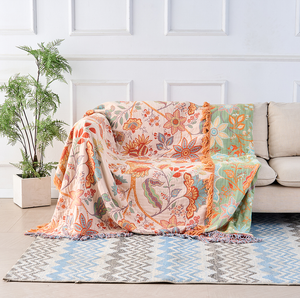
Anchor the room with a sofa cover — If the sofa feels mismatched or dated, a well-fitted sofa cover in a warm neutral immediately gives the whole room something coherent to build around. It is one of the highest impact, most cost-effective changes you can make to a living room, and it creates a consistent base that minimalist interiors depend on.
-
Choose one deliberate focal point — A piece of art, a lamp, a textured throw draped over the arm of a chair. Minimalist rooms work because there is one thing the eye is drawn to rather than everything competing for attention simultaneously. Deciding what that focal point is gives the room a sense of intention that is immediately felt.
-
Address the lighting — A floor lamp or table lamp creates a warmer, more intimate atmosphere than overhead lighting and is one of the quickest ways to change how a living room feels in the evening. The Minimalist Nordic Table Lamp is a great example of lighting that adds warmth, depth, and makes textured furnishing far more appealing.

Chic Thick Plush Sofa Cover
Snuggle-Ready & Scratch-Resistant – The Sofa Cover That Does It All Add warmth and elegance to your living space with this plush sofa cover. Featuring a thick, soft texture, it's designed to pr...
Minimalist Bedroom Decor Ideas
The bedroom is where minimalist decorating often has the most noticeable impact on daily life. A calmer visual environment can make the space feel more restful, which is one reason minimalist bedrooms are often associated with better sleep and lower stress.
A few changes that make the biggest difference:
-
Keep the bed visually simple — In most bedrooms the bed is the largest and most dominant element, so simplifying the bedding has an immediate impact. A duvet cover in a solid neutral tone, one or two pillows instead of a decorative arrangement, and a simple throw folded at the foot of the bed add warmth without visual clutter.
-
Limit what sits on bedside surfaces — Nightstands work best when they only hold what is actually used, such as a lamp, a book, or a small tray. Keeping these surfaces clear helps the whole room feel calmer and more intentional.
-
Give shelves and storage space to breathe — Open shelving should never be crowded. Leaving space between objects makes each piece feel more deliberate and prevents the room from feeling busy.
-
Use simple window treatments — Light curtains or unlined fabrics that allow natural light through in the morning often work better than heavy, patterned options. They keep the room bright and reinforce the relaxed feel that minimalist bedrooms aim for.
Minimalist Kitchen and Dining Decor Ideas
Kitchens are one of the hardest spaces to keep minimalist because they are highly functional. Utensils, appliances, and everyday items naturally accumulate, which can quickly create visual clutter. A minimalist kitchen isn’t about removing everything. It’s about keeping the essentials accessible while making the items that remain visible feel intentional rather than incidental.
A few changes that make the biggest difference:
-
Keep worktops intentionally minimal — Kitchen counters are the most visually dominant surfaces in the room. Limiting them to a few useful items such as a wooden chopping board, a ceramic bowl, or a small pot of herbs keeps the space practical while preventing visual clutter.
-
Style shelves and walls with restraint — Open shelving works best when it isn’t overcrowded. A few objects in a similar material or colour family, spaced with room around them, will always feel more deliberate than shelves filled edge to edge.
-
Use textiles to define the dining space — A simple linen or cotton tablecloth softens the dining table and helps the area feel more intentional. Paired with consistent dinnerware and kitchen textiles such as tea towels or oven mitts in similar tones, the whole kitchen and dining area begins to feel cohesive.
Colours & Textures That Work Best for Home Decor
Colour and texture are two of the most important elements in a minimalist interior. Minimalism does not require an all-white or grey palette. Instead, it works best with restraint: a small number of carefully chosen tones that create calm without feeling clinical.
A practical approach is to work within three tones: a base neutral for walls and large surfaces, a slightly deeper or warmer version of that tone for textiles and furnishings, and one accent colour used sparingly through items like cushions, throws, or lamps. Earthy accents such as terracotta, sage green, warm brown, or dusty blue tend to work particularly well because they add interest without disrupting the calm of the space.
Texture is what prevents a minimalist room from feeling cold. Natural materials like linen, cotton, wool, or woven fibres introduce warmth and depth without adding new colours. A textured throw, a woven rug, or linen cushion covers can soften a room and make it feel more comfortable.
The key is to keep the colour palette consistent while varying the textures. A room with one dominant neutral and several contrasting textures will always feel richer and more inviting than a space filled with many colours but little variation in materials.

Final Thoughts
Minimalist home decor is one of the most accessible interior styles to pursue on a limited budget because the philosophy itself discourages unnecessary spending. Instead of filling a space with many objects, the focus is on choosing fewer pieces that genuinely contribute to how the room looks and feels.
The most effective way to approach minimalist decorating is to start with the largest elements in a room. Once those foundational pieces are in place, smaller additions like cushions, throws, or decorative objects can be introduced to build on the overall look. When each item has space around it, the details become more noticeable, allowing carefully chosen pieces to add warmth, character, and depth to the room.
Minimalist interiors rarely look impressive because of how much has been added. They work because of the decisions behind what remains. When that approach is applied consistently, even a modest home can feel calmer, more cohesive, and more comfortable without requiring a significant budget or a complete redesign.


