
Kitchen Mats
Sort


FAQ
Learn how to choose the right pieces from this collection
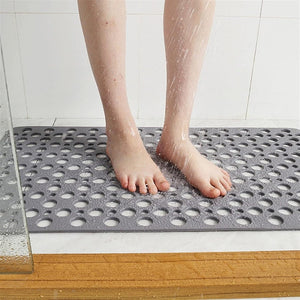
Kitchen mats can be used both on floors and around sinks or countertops. Floor mats (anti-fatigue and non-slip kitchen mats) help improve comfort while standing for longer periods and protect the floor from spills and water, while drying mats and sink mats help absorb moisture, protect surfaces, and keep wet areas cleaner and more organized.
Standing on cold and hard kitchen tiles for hours while prepping meals or washing dishes puts stress on your feet, knees, and lower back. An anti-fatigue kitchen mat features a cushioned, high-density core that subtly forces your muscles to make micro-adjustments. This promotes better blood circulation, significantly reduces joint fatigue, and allows you to enjoy cooking without the lingering aches afterward.
Quick-dry faucet mats, absorbent sink mats, and drying racks can help catch water splashes and improve airflow around wet areas. This helps reduce puddles, water spots, and excess moisture around the sink, making countertops easier to keep clean and dry.
Always look for kitchen mats with a non-slip rubber backing that grips your floor securely, preventing the mat from sliding when stepped on. Additionally, opting for water-resistant, wipe-clean materials ensures that dropped food, spilled cooking oil, or water splashes can be cleaned up instantly with a damp cloth, protecting your floor surfaces from permanent stains.
Most kitchen mats can be cleaned with regular wiping, shaking off the dust and debris, rinsing, or gentle washing in the washing machine depending on the material. Quick cleaning helps prevent moisture buildup, odors, and stains, especially in high-use areas near sinks and cooking stations. Always check the care label to avoid damage.
A defrosting tray is a kitchen tool designed to help thaw frozen food such as meat, fish, or poultry faster. Most defrosting trays are non-electric and made from highly conductive metals like aluminum. They work by transferring ambient room-temperature heat into the frozen food more efficiently than a regular plate or countertop, helping reduce thawing time without the need for hot water or a microwave. Because the process relies on natural heat transfer, it can help preserve the food’s texture and quality during thawing.