
Warm vs. Cool Light: Which Is Better for Your Home?
Warm light has a soft, yellowish tone that can make a room feel cozy and relaxed. Cool light appears whiter or more bluish and can create a crisp, bright look. Neutral light sits between the two. The best choice depends on the room, the task, and the atmosphere you want to create.
The right choice also depends on your decor and how you use each room. Below, you'll find what warm and cool light actually do to the feel of a room, which one suits each part of your home, and how to combine them.
| Warm Light | Neutral Light | Cool Light | |
|---|---|---|---|
| Kelvin range | 2700–3000K | 3500–4000K | 5000–6500K |
| How it looks | Soft yellow-orange glow | Clean, balanced white | Crisp bluish-white, like daylight |
| How it feels | Soft, warm, relaxing feel | Balanced, natural-looking feel | Crisp, bright, clear feel |
| Best for | Bedrooms, living rooms, dining rooms | Kitchens, bathrooms, multipurpose rooms | Home offices, workspaces |
What Is the Difference Between Warm and Cool Light?
Warm light has a golden, candle-like tone, similar to a sunset or a lamp with an old-style bulb. Cool light looks white with a hint of blue, closer to the lighting you'd find in an office, a supermarket, or on a bright overcast day.
The technical name for this is color temperature, and it's measured in Kelvins (K). The lower the number, the warmer the light. You'll usually find it on the box the lights or the bulb comes in.
Neutral white sits in the middle. It's a good pick when you want light that isn't yellow but isn't harsh either. One thing worth knowing: color and brightness are two separate things. A warm bulb can be very bright, and a cool bulb can be quite dim. Brightness is shown in lumens on the box, so check both numbers when you shop.
How Warm and Cool Light Affect Mood, Sleep, and Focus
Warm light can create a softer, more relaxed atmosphere, which many people prefer in the evening. It works well for activities such as having dinner, watching a movie, or getting ready for bed. The effect also depends on brightness, placement, and personal preference.
Cooler light can give a space a crisp, clear appearance and can be useful for tasks that require good visibility, such as reading small print or working at a desk. Its effect on alertness varies with brightness, timing, exposure, and individual sensitivity.
Bright light in the evening, particularly light with a strong blue component, can affect the body's natural sleep timing. If you're preparing for bed, consider dimming the lights and choosing a warmer tone. In the morning, brighter light can help you feel more alert, while the best color temperature depends on the activity and your preference.

Warm vs. Cool Light for Home: Room-by-Room Guide
The best lighting setup depends on how you use each room, your decor, and the atmosphere you want to create. The Kelvin ranges below are starting points rather than strict rules. Combining different light sources can help a room work well for more than one activity.
Living Room
Best choice: warm light (2700–3000K). The living room is where you unwind, so warm light does most of the work here. It makes sofas look softer, adds depth to textured fabrics, and gives the room a lived-in feel.
Don’t rely on a single ceiling light. A floor lamp in one corner, a table lamp by the sofa, floor strip lights behind the sofa, and a ceiling light on a dimmer give the room a layered glow that feels far more relaxed than one bright source. If someone reads in the evening, add a focused reading lamp beside the sofa or armchair.
Bedroom
Best choice: warm to neutral light (2700–3500K), with dimmable options for evenings. Warm light can create a relaxed atmosphere, while brighter or more neutral light may be useful for getting dressed, reading, or other daytime activities. Bedside lamps with warm bulbs are better than a ceiling light for the last hours of the day, because the light stays low and doesn't hit your eyes directly. Blackout curtains can help block outside light when you want the room dark.
Kitchen
Best choice: neutral white (3500–4000K) for cooking, warmer for the dining area. In the kitchen, you need to see what you're doing. Neutral light over the counters and under the cabinets makes chopping, reading recipes, and judging whether food is cooked much easier.
Cooler light can create a crisp, modern look, while warmer light gives the kitchen a softer feel. How food and finishes appear also depends on the bulb's color-rendering ability, so look for a high CRI if accurate colors matter to you. If your kitchen has an island or breakfast table, choose a pendant color temperature that complements the surrounding lighting and the atmosphere you want.

Kids Room
Best choice: warm light (2700–3000K) for play and bedtime, neutral (3500–4000K) for homework and drawing. Kids' rooms do more than one job, so it helps to split the lighting. Warm overhead light keeps the room cozy and makes bedtime calmer. A neutral desk lamp gives enough clarity for homework, puzzles, or art projects without the harshness of a cool bulb. For a night light, a dim, warm-toned option is a common choice because it creates a soft glow without adding much brightness. Keep it low-intensity, and choose a color and placement that feel comfortable for your child.
Bathroom
Best choice: neutral white (3000–4000K) at the mirror, warm for evenings. Light around the mirror should be clear enough for shaving, skincare, or makeup. Aim for even light from both sides of the mirror, since light from only above creates shadows under the eyes and chin.
Very cool or very warm light can change how skin tones appear. For grooming, makeup, and skincare, aim for even lighting and good color rendering, with a neutral tone if you want a balanced view. Add a dimmable warm light for baths or a more relaxed evening atmosphere.
Dining Room
Best choice: warm light (2700K), ideally dimmable. Warm light can give a dining area an intimate, relaxed feel, while neutral light can offer a fresher, more natural look. A dimmer on the main fixture adds flexibility: use brighter light for setting the table and cleaning up, then lower it for dinner with guests.
Candles also fit naturally into this setup. Their glow matches warm bulbs, so the table feels cohesive rather than mismatched.

Home Office
Best choice: neutral to cool light (3500–5000K), depending on your task and preference. Neutral or cooler light can provide a crisp look for desk work, while brightness, glare control, and comfortable placement are just as important for a productive workspace. Place the main light so it doesn't reflect on your screen, and add a desk lamp for paperwork.
If you often work into the evening, choose a dimmable or color-adjustable bulb. You can use a brighter, neutral or cool setting when you need clear task lighting, then reduce the brightness and switch to a warmer tone as you wind down.
Entryway and Hallway
Best choice: warm-neutral light (3000–3500K). An entryway should feel welcoming, but it should also be bright enough to find your keys and everything you need when you leave the house. A warm-neutral bulb handles both.
Hallways connect other rooms, so keep their color temperature close to the rooms they lead into. A sudden jump from a cool hallway to a warm living room is noticeable and makes the whole home feel less cohesive.
How Light Color Changes the Look of Your Decor
The same room can look completely different depending on the bulb. Light color changes how paint, wood, and fabrics appear, so it's worth thinking about your decor before you choose.
Walls. Warm light can give white and cream walls a softer, creamier appearance, while cool light can make them look crisper or more blue-toned. Neither is automatically better: warm lighting may complement beige, terracotta, and other earthy shades, while neutral or cool lighting can suit clean whites, grays, and some blue-based palettes. The exact result depends on the paint undertone and the bulb's color rendering. If you're repainting, test a sample under the lighting you plan to use and check it during both daytime and evening.
Wood and metal. Warm light often emphasizes the golden and reddish tones in wood, while neutral or cool light can make the same finish look less golden and more restrained. The best effect depends on the wood species, stain, and overall palette. Warm light can complement brass and gold finishes, while neutral light can give chrome, stainless steel, and black metal a clean, balanced appearance. Choose the temperature that brings out the look you want rather than following a fixed rule.
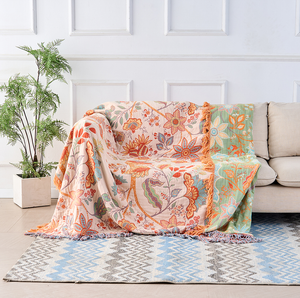
Textiles. Warm light can make knitted fabrics, linen, cotton, and plush upholstery feel visually softer and cozier. Neutral or cool light can reveal contrast and make some colors appear cleaner or more defined. The appearance also depends on the fabric's texture, color, and the direction of the light. For a cozy reading corner, you might prefer warm lamps; for a bright, modern room, neutral light may suit the same textiles just as well.
If your style leans minimal, warm light can soften white walls and light wood, while neutral light can preserve a crisp, streamlined look. For bold or moody palettes, warm light can add richness, whereas neutral or cool light can emphasize contrast and cooler undertones. Test lighting with your actual finishes before choosing, since the same color can look noticeably different under different bulbs.

Can You Mix Warm and Cool Light?
Yes. Mixing warm, neutral, and cool light can work well when each source has a clear purpose. You might use warm lamps for ambient lighting and a neutral task light for reading or desk work, or choose different settings in a multipurpose room. The key is to consider how the light sources look together, avoid distracting glare, and make sure the lighting suits each activity.
A few things to avoid:
- Different bulbs in the same fixture: A chandelier or a row of spotlights with mismatched whites looks like a mistake, even if each bulb is fine on its own.
- Big jumps between connected rooms: In open-plan spaces, keep the living, dining, and kitchen areas within a similar range so the transition feels smooth.
- Lighting that clashes with the room's purpose or decor: Very bright or cool-toned light may feel out of place in a space designed for a soft, relaxed atmosphere, but it can still work when balanced with warmer lamps or dimmer settings.
If a room has more than one function, such as a home office that doubles as a guest room, dimmable or color-adjustable bulbs are worth the small extra cost. Many can switch from cool white in the morning to warm white at night, either from an app or a wall control. Some LED bulbs are also labeled “dim to warm”, which means they get warmer as you dim them, like a traditional bulb.
Final Thoughts: Choosing the Right Light for Your Home
Warm, neutral, and cool light each have their place in a home. Warm light can create a softer, more intimate atmosphere, neutral light offers a balanced appearance, and cool light can provide a crisp look for tasks that need clear visibility. The best choice depends on the room, your decor, the activity, and your personal preference.
When choosing bulbs, check the Kelvin rating for color temperature and the lumen rating for brightness. Color rendering also matters if you want paint, wood, fabrics, and other finishes to look true to color. If a room serves several purposes, dimmable or color-adjustable lighting can give you more flexibility throughout the day.


